
The Art of Wintering: Lessons from Nature on Rest and Renewal

“Life meanders like a path through the woods. We have seasons when we flourish and seasons when the leaves fall from us, revealing our bare bones. Given time, they grow again.”
- Katherine May, Wintering: The Power of Rest and Retreat in Difficult Times
Winter in Nature: Observing Growth and Stillness
Feb, 2026
Winter in nature is not a season of striving, but one of nurture, rest, and quietude. Trees stand bare against the winter sky, conserving their energy with the quiet certainty that this pause will bring a return to leaf in spring. Animals retreat too, hibernating or moving more slowly, protecting what they need as the land settles into stillness.
Nothing in nature seems concerned with what comes next. It knows that growth has not ended; it has merely slipped beneath the surface, waiting. This is wintering as nature intends it, a season of quiet growth, restoration, and trust.
To winter well is to notice this quiet wisdom and follow it - not as an escape from life, but as a gentler way of living. Wintering asks us to slow our pace, simplify our days, and trust in the purpose of rest.
This season, I’ve been paying closer attention to what nature does when it is not trying to be productive and notice what it might be teaching us in return.
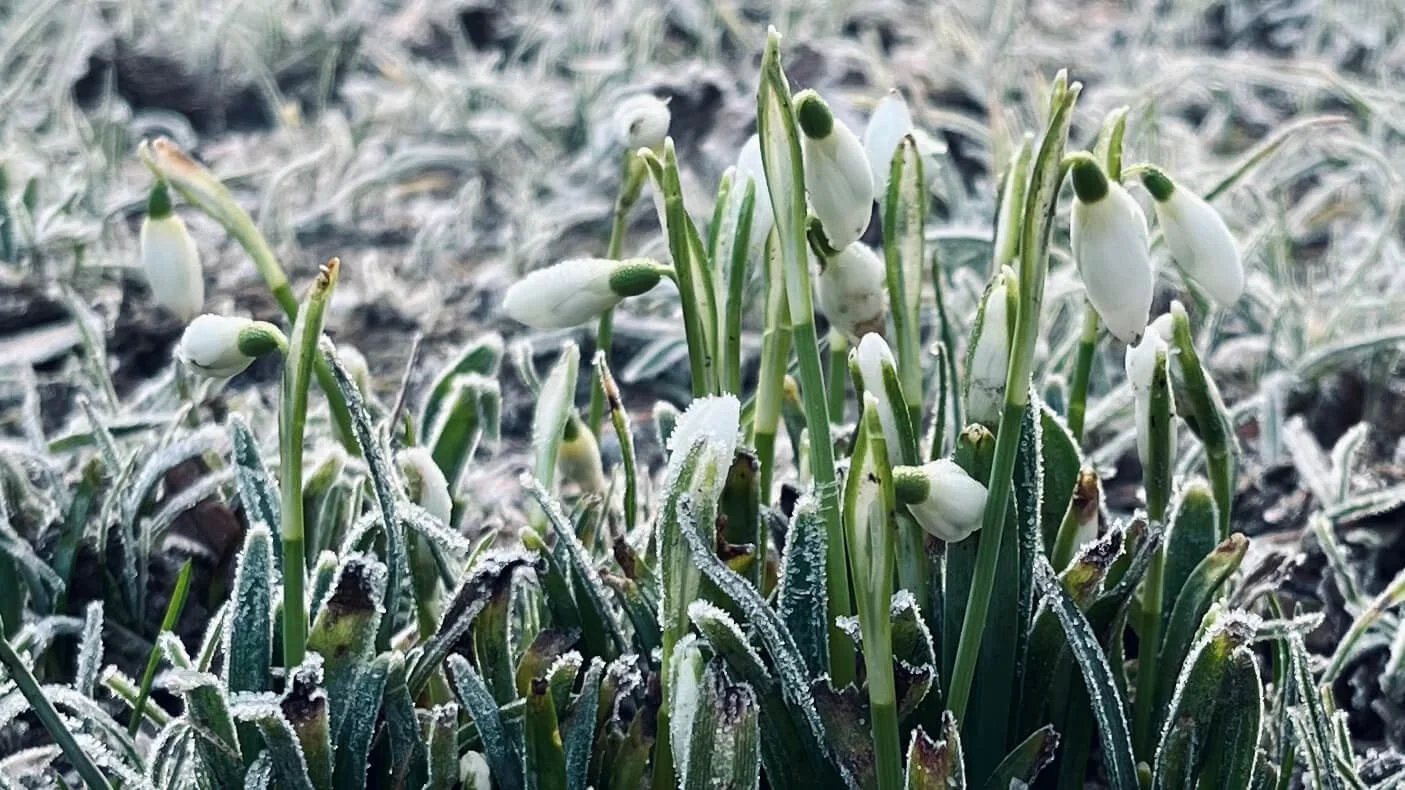
What Nature Teaches Us in Winter
In winter, the natural world does not fall silent; it becomes more deliberate. Growth slows, energy is conserved, and life moves with greater care. What appears empty or still is often simply resting, waiting for the right moment to return.
Patience in Stillness
The lesson here is patience - an understanding that not all progress is visible, and that periods of quiet are often necessary for what comes next.
In our own lives, this might look like allowing plans to unfold more slowly, resisting the urge to fill every pause, or trusting that not everything needs immediate action.
Letting Go and Conserving Energy
Trees shed what they no longer need, standing bare through the colder months as a form of protection and a way of conserving strength. Animals retreat or move more slowly, guided by instinct to preserve their energy. Fields are left fallow, not abandoned, allowing the land time to recover. From this, we learn the value of letting go: releasing what drains us, simplifying where we can, and recognising that care sometimes looks like restraint rather than effort.
This could be as simple as clearing space in our homes, saying no more often, or choosing fewer, more meaningful commitments during the winter months.
There is a quiet wisdom in nature’s restraint. Winter teaches us that rest is not the opposite of growth, but part of it; that letting go can be an act of care; and that slowing down is sometimes the most natural response to change.
We might honour this by building more rest into our days, creating gentler routines, or allowing ourselves to move at a pace that feels supportive rather than demanding.
Nature does not rush this season. There is no urgency to bloom before the time is right. Winter is trusted to do its work unseen.
Wintering well may begin with trusting the season we are in, and allowing ourselves to slow down alongside it.
Finding Clarity and Renewal in Stillness
The quiet of winter is not only present in the landscape it is present in the work we do and the way we create. When the world slows, we can listen more closely to what matters, noticing details that might otherwise be overlooked. It is in these still moments that clarity emerges and creative energy quietly replenishes itself.
For me, this means returning to my art with fresh eyes, letting ideas unfold naturally, and embracing the patience and care that allow something meaningful to grow. Sometimes that means pausing with a sketchbook, print, or stationery that inspires me, or arranging objects that bring comfort and clarity to my workspace.
Wintering, in this sense, is both a pause and a source of renewal. It’s a reminder that stillness is not inactivity, but preparation for growth that is thoughtful, intentional, and lasting.
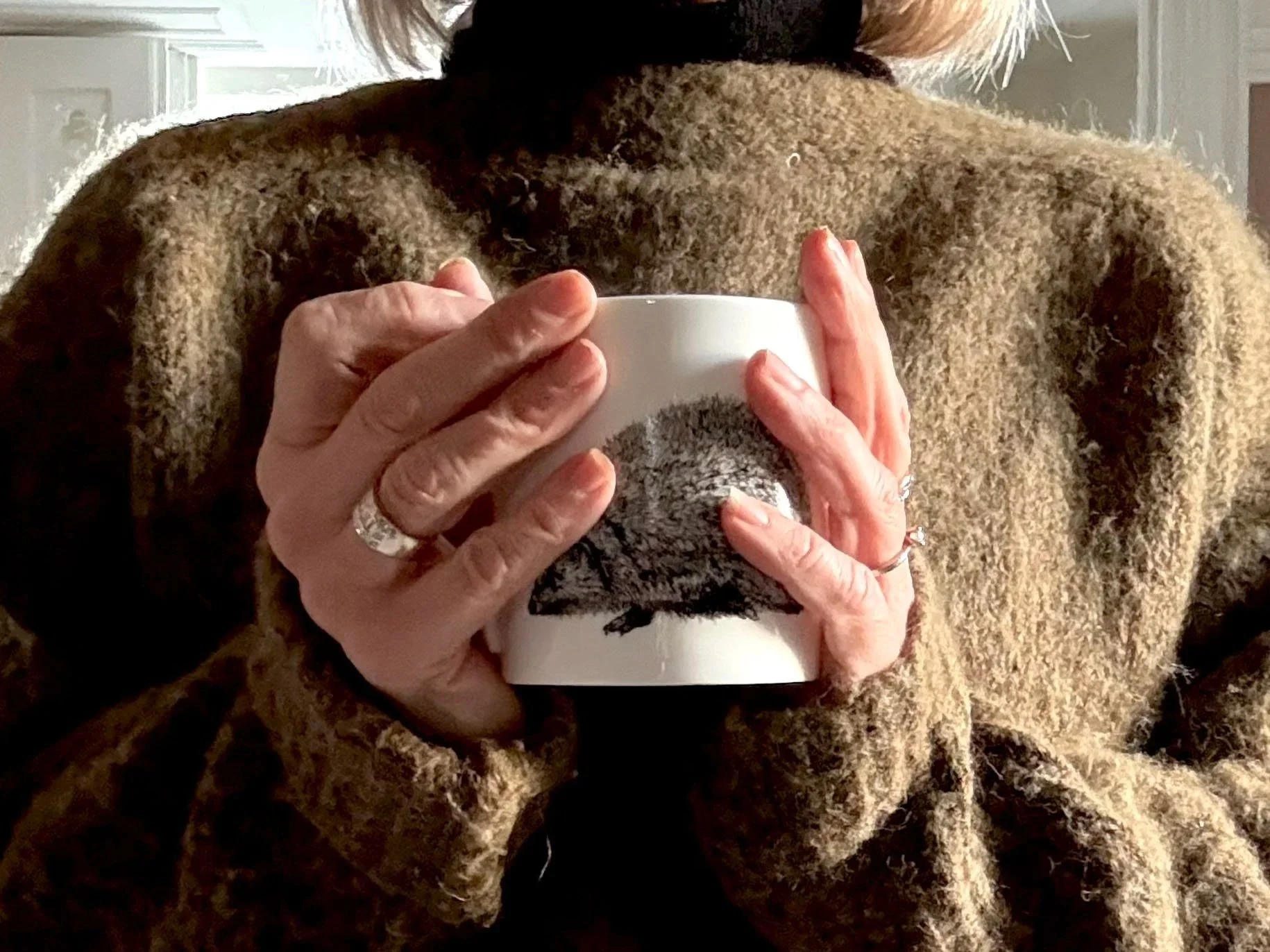
Wintering in the Home
Just as nature slows and rests, our homes can become a place to reflect that same quiet rhythm. Wintering at home is about creating spaces that support stillness, comfort, and intentional living - small adjustments that bring warmth and calm into daily life.
There are simple ways to welcome this season into our surroundings:
Create corners for rest – a dedicated space to pause with your favourite chair, soft blankets, or a side table for sketching or journaling becomes the perfect place to relax and restore. Maybe keep a notebook to hand for journaling
Let light guide the mood – soft lamps, candles, or natural light make early evenings feel gentle and easy to settle into rather than feel abrupt. A collection of beautiful candles can help create this gentle glow,,relaxing scent and invite quiet moments.

Simplify surfaces – reducing clutter allows the eye to rest and gives mental space to think and notice.
Bring nature indoors – seasonal branches, pine cones, or dried flowers connect the home to the rhythms outside. A botanical print, or nature-inspired illustration can also echo this seasonal connection.
Choose meaningful objects – keep items that bring comfort or spark creativity, and allow them to guide your daily routines.
Build quiet rituals – reading, drawing, tea, or simply lighting a candle and sitting in stillness can become a gentle daily habit, supporting reflection and creative renewal. Using your favourite mug, notebook, or candle can turn everyday routines into mindful pauses.

Wintering at home is not about perfection, but intention. These small adjustments encourage us to move more slowly, notice more deeply, and trust in the rhythm of the season — an ethos that can extend beyond the walls of our homes and into the way we live our days.
Reflection: Trusting the Season and Your Rhythm
Wintering asks us to slow, to notice, and to trust in the quiet rhythms around and within us. By observing nature, embracing stillness, and creating spaces in our homes that support rest and reflection, we allow ourselves to move more deliberately, think more clearly, and create with intention.
In these small pauses, we find clarity, renewal, and a sense of connection to the seasons, to our own lives, and to the work and moments that matter most.